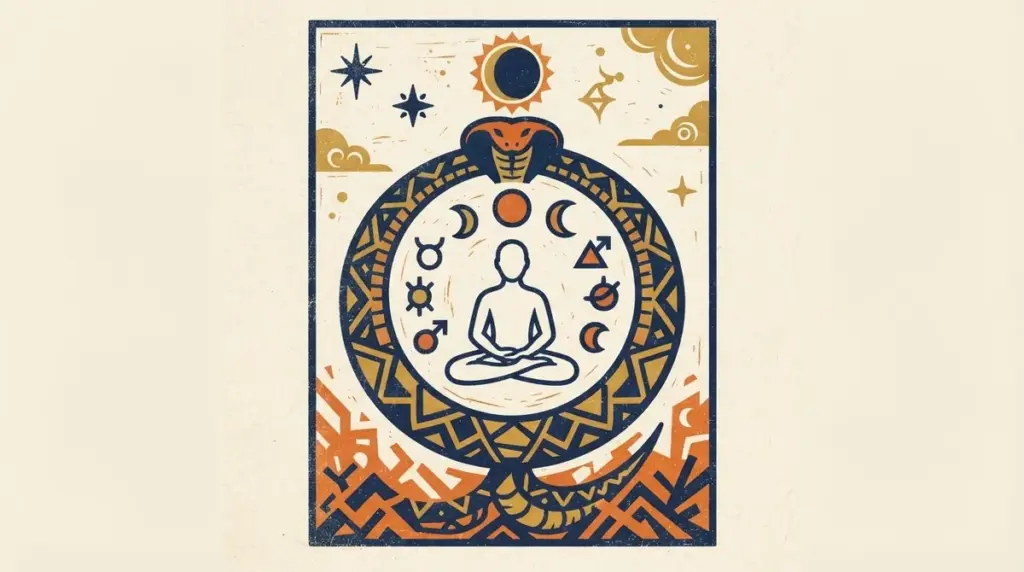
When exploring the ghatak kaal sarp dosha meaning, we look at a specific planetary arrangement in Vedic astrology. This condition occurs when all major planets fall between the shadow planets, Rahu and Ketu. Rahu is the North Node, and Ketu is the South Node. In this specific type, Rahu sits in the tenth house. Ketu sits in the opposite fourth house. This creates a focused energy pattern in the chart.
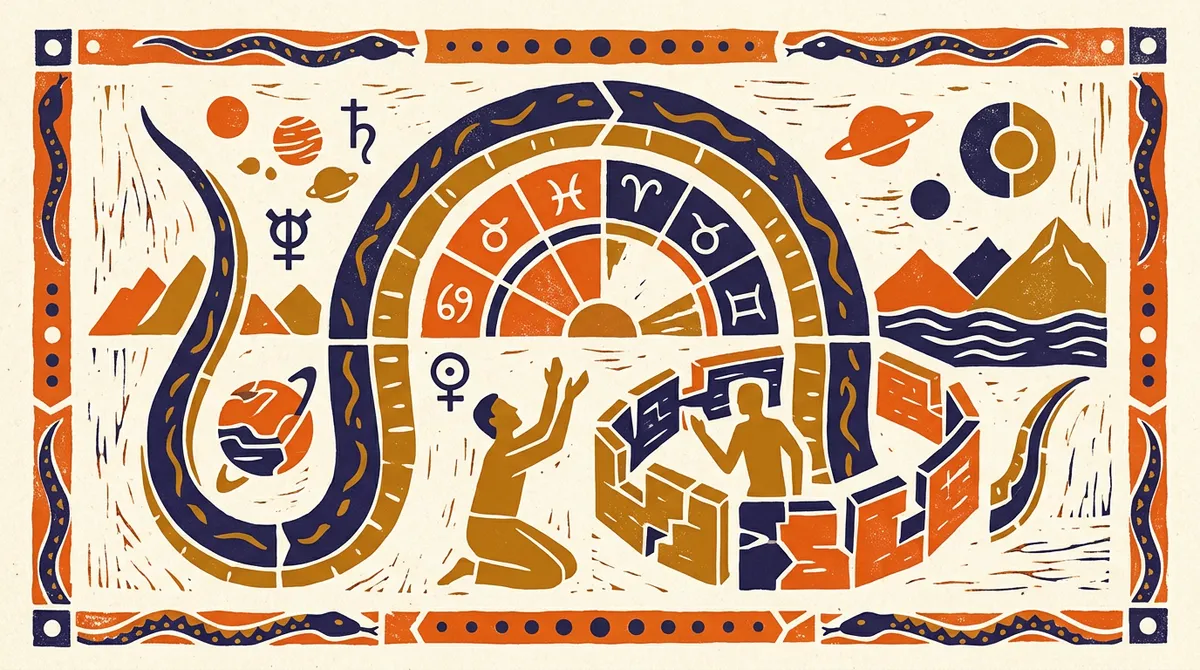
The core of ghatak kaal sarp dosha meaning
The term “ghatak” translates to harmful or destructive. Some traditions use this to describe the intense pressure this alignment creates. It is not a permanent label for a person’s life. Instead, it suggests a period of karmic lessons. You can learn more about the general structure by visiting our kaal-sarp-dosha tool.
How tradition links the alignment to life patterns
Tradition often connects this dosha to deep-seated patterns. The tenth house governs your career, social status, and public reputation. When Rahu occupies this space, it can bring sudden changes. You might feel unstable in your professional life. The fourth house represents your home, emotional peace, and your mother. Ketu here can create a sense of detachment from domestic comfort. These two placements work together to pull your energy between public duty and private peace.

Observing the effects of the dosha
Many people with this configuration notice specific themes. You may feel a divide between your career goals and your need for rest. Some report that work demands often disrupt their family time. Others find they must work harder to find emotional stability at home. These feelings are common points of reflection for those studying their own charts. It is helpful to see how these placements affect you in your birth chart.
Differing views across astrological schools
Not all traditions view this alignment the same way. Some schools focus heavily on the challenges of these houses. Others emphasize the potential for spiritual growth. They see the intensity as a tool for self-realization. By facing these pressures, you may gain clarity on your true path. It is important to remember that astrology offers many viewpoints. No single interpretation defines your entire future.
Reflecting on your path with this configuration
Astrology is for reflection and guidance, and it is not a substitute for professional advice. Consider your chart as a map of potential rather than a fixed destiny. When you feel the pull of this dosha, focus on balance. Small acts of service can help ground your energy. You might also explore your divisional-charts to see deeper layers of your life. Consistent, calm effort often yields the best results over time.
A practical example of the alignment
Imagine a person with Rahu in the tenth house and Ketu in the fourth. They might feel a strong drive to succeed in their career. They could find themselves traveling often for work. This success might come at the cost of feeling lonely at home. They may need to consciously create rituals to stay connected with family. By acknowledging this tension, they can prioritize their time more effectively. This is the essence of using astrology as a reflective tool.