
When exploring mangal dosha fourth house common questions, many readers look for clear answers about how Mars influences home life. Mangal Dosha is a traditional condition in Vedic astrology formed when Mars occupies specific houses in a birth chart. The fourth house is known as the chaturtha bhava, which governs the home, domestic peace, and emotional ground. You can check your chart details using the kundli tool to see where Mars sits.
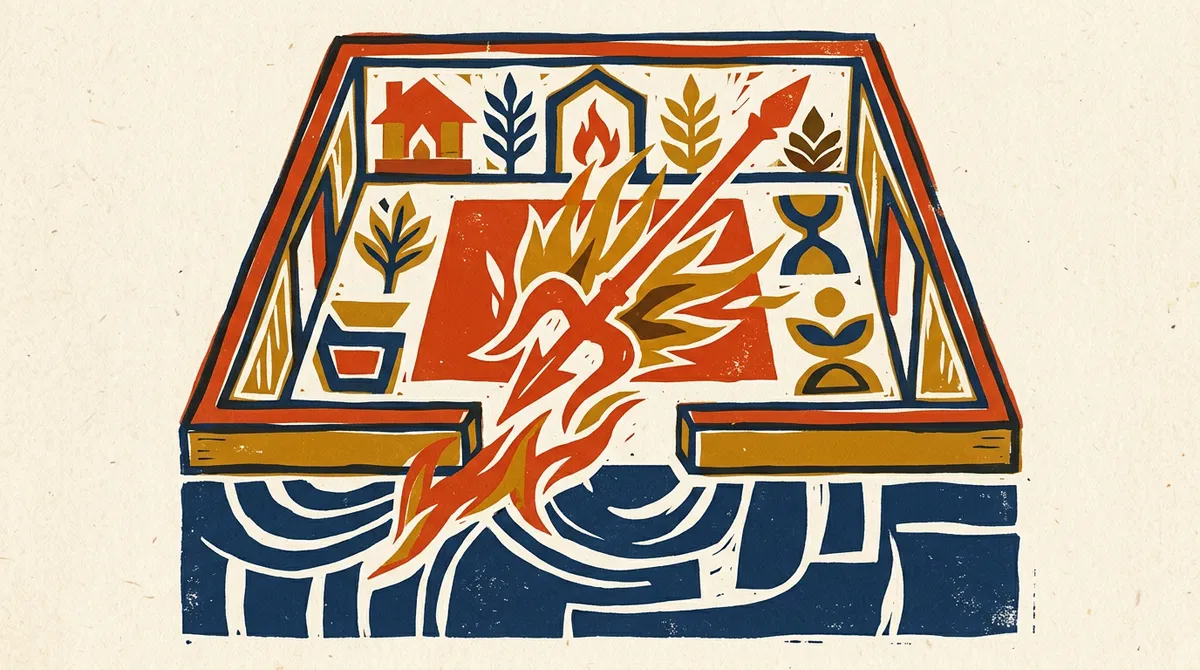
What Mangal Dosha from the Fourth House means for common questions
The fourth house connects closely with your mother, your childhood, and your residential property. When Mars sits here, classic texts describe a fiery or energetic drive inside domestic spaces. People often ask if this placement creates constant tension at home. Tradition views this energy as active and sometimes restless rather than fixed. You might notice a strong urge to remodel spaces or manage family responsibilities with great speed. Understanding broader chart features helps clarify these themes. You can read more about chart house roles in our guide on the eighth house in kundli house lord role.

Many beginners worry that this single placement defines their entire domestic future. Astrologers note that every chart contains balancing factors that moderate planetary influences. A strong benefic planet aspecting the house can soften the fiery nature of Mars. This nuance brings peace of mind to many readers who seek practical context.
How tradition links Mangal Dosha from the Fourth House with common questions
Classical Jyotish texts list six houses where Mars forms this condition, and the fourth house is one of them. Traditional commentaries suggest that Mars in this area can bring quick reactions to domestic disagreements. Readers frequently ask if this implies permanent unhappiness at home. Classical rules do not support such absolute claims. Instead, they view planetary placements as tendencies that require mindful awareness. To explore your planetary positions in depth, use the manglik-dosha tool.
Tradition also points out that the fourth house rules land and vehicles. An active Mars here can sometimes translate into a strong drive for real estate investments. People with this placement often work hard to secure property for their families. This constructive expression is a key part of traditional teachings that is frequently overlooked by casual observers.
Mangal Dosha from the Fourth House and common questions: what readers notice
Daily experiences often prompt readers to investigate their birth charts. You might feel a sudden urge to take charge of household matters or find yourself impatient with domestic delays. These moments lead many to ask why they react with such intensity. Vedic astrology views these feelings as reflections of inner drives. Mars represents courage, action, and physical energy. When it occupies a house of inner peace, your drive meets your emotional core.
Readers also notice that domestic environments require conscious effort to keep calm. Establishing routines and practicing patience can help channel this active energy into productive household projects. Recognizing these patterns allows you to respond with clarity rather than frustration.
Where schools differ on Mangal Dosha from the Fourth House and common questions
Different schools of Vedic astrology interpret the intensity of this condition in varied ways. Some traditions view fourth-house Mars as moderately strong compared to placements in the seventh or eighth houses. Other schools emphasize the sign placement of Mars above all else. For instance, if Mars sits in its own sign of Aries or Scorpio, classical texts describe cancellation rules known as Parihara. These rules suggest that the challenging nature of the placement is greatly reduced.
Furthermore, astrologers look at whether the Moon or Venus shares influences with Mars in the chart. Because opinions vary across regions and lineages, consulting multiple perspectives is common practice in traditional astrology. This diversity of thought reminds us that charts are maps for reflection rather than strict verdicts.
A calm way to reflect on common questions with Mangal Dosha from the Fourth House
Reflecting on your birth chart should bring calm rather than worry. When you examine your domestic life, use astrological insights as a tool for self-awareness. Notice where you tend to rush and where you can pause. Astrology is for reflection and guidance, and it is not a substitute for professional advice.
Take time to appreciate the positive dimensions of your chart. A dynamic Mars can give you the courage to protect your loved ones and build a secure home. Balance your reflections with practical actions and open communication within your family.
Understanding chart placement through a short worked example
Consider a chart where the Ascendant is Cancer and Mars is placed in the fourth house in the sign of Libra. In this example, Mars is in a sign ruled by Venus, which introduces a blend of fire and diplomacy. Traditional readers would examine whether Jupiter casts an aspect upon this Mars to bring wisdom and moderation. This worked example shows how individual chart details create a unique story.
By looking at the complete picture rather than a single isolation, you gain a balanced understanding. Chart analysis always involves weighing multiple factors together. This approach ensures you never jump to hasty conclusions about your life path.
mangal dosha fourth house common questions explored further
Exploring further questions helps solidify your understanding of Vedic astrology principles. Many people wonder if remedies are mandatory for every placement. Traditional practices include observing quiet routines, reciting traditional verses like the Hanuman Chalisa, or matching charts before partnership. These traditions offer structured ways to engage with your chart.
Ultimately, your birth chart is a mirror of cosmic energies at your birth time. Use these insights to foster inner peace and better relationships. Approach your chart with curiosity and gentleness.