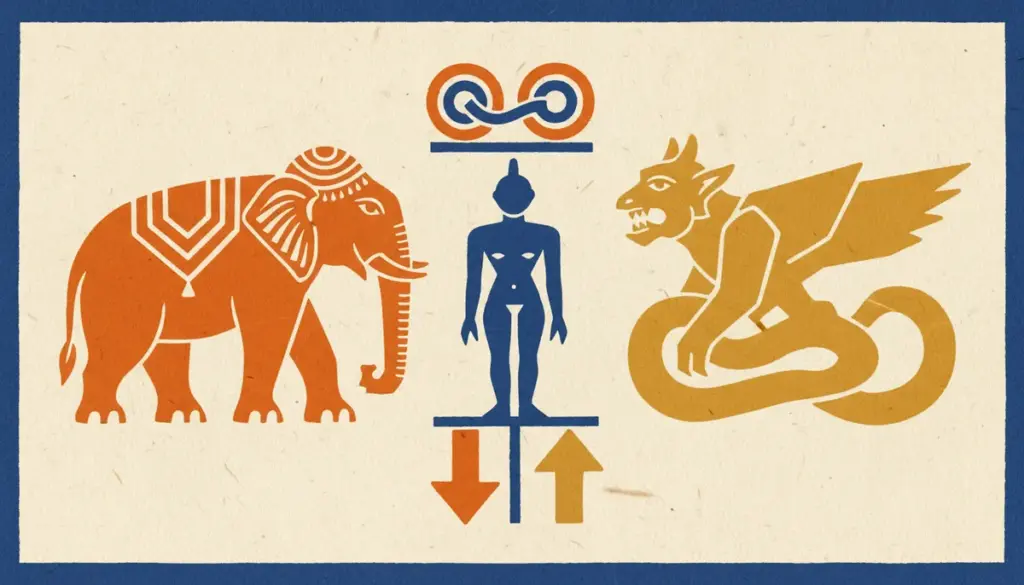
When looking at marriage compatibility, you may notice that some charts show different results for the same couple. This variation is often due to gana koota school differences. Gana Koota is the sixth of eight factors in the Ashtakoota system. It helps assess temperamental compatibility between two people. Birth details are not stored on our servers.
Understanding Gana Koota School Differences
Vedic astrology is a vast tradition with many regional branches. Each school may emphasize specific texts or ancient manuscripts. These differences lead to variations in how points are calculated for Gana Koota. The system categorizes the 27 Nakshatras, or lunar constellations, into three types. These are Deva, Manushya, and Rakshasa.
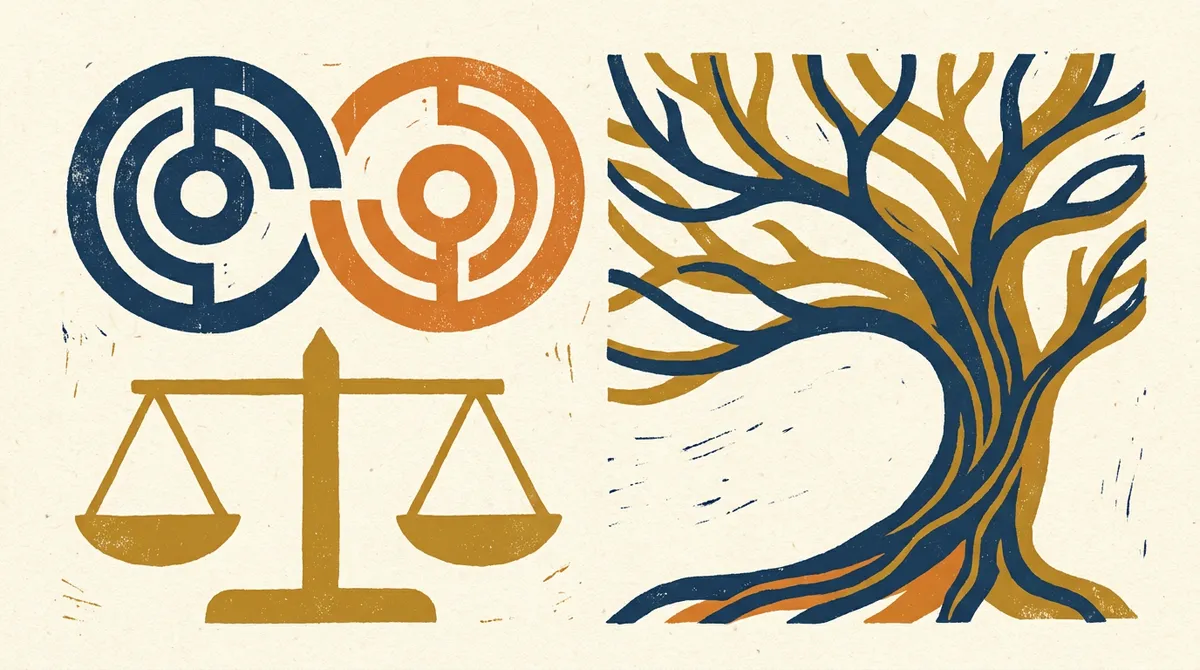
Deva means divine or celestial. Manushya means human. Rakshasa means demonic or strong-willed. These are symbolic labels for behavioral styles. They are not meant to judge a person’s character. You can learn more about the broader framework at Ashtakoota Matching: How It Is Scored Explained.
How Tradition Links Gana Koota and Personality
The tradition suggests that Gana Koota reflects how partners manage daily life. It looks at how they handle conflict and communication. When two people have the same Gana, their emotional responses are often similar. This can lead to a smoother connection in the household.
Some traditions prioritize matching Ganas to encourage harmony. Others look at the overall kundli-matching score to see the full picture. It is helpful to remember that these tools offer guidance. They are not absolute rules for any relationship.
Common Observations on Gana Koota School Differences
Many readers notice that their compatibility score changes when using different software or consulting different experts. This is often because one school might count a specific Nakshatra under a different Gana category. For instance, a border-line star might be classified as Manushya by one source and Rakshasa by another.
These shifts are a normal part of the tradition. The goal is to evaluate if your communication styles align. If you feel confused, focus on the overall trend of your compatibility. Use our moon-sign-calculator to ensure your birth data is set correctly before you begin.
Where Different Schools Disagree on Scoring
The primary area of disagreement involves the classification of specific Nakshatras. While most schools agree on the core categories, minor lists differ. Another point of variation is the treatment of Gana Dosha. This occurs when a Deva and Rakshasa Gana are paired together.
Some schools treat this as a significant challenge. Others believe that planetary friendships can neutralize the effect. It is rare for schools to agree on every single point. Instead, they provide different lenses for viewing the same partnership. Always consider the context of the entire chart.
Reflecting on Compatibility and Traditions
Astrology is for reflection and guidance, and it is not a substitute for professional advice. When you see different scores, do not be alarmed. Think of them as different pieces of advice from different teachers. A lower score in one system does not mean a relationship is doomed.
Take time to observe your own communication style with your partner. See if the Gana descriptions resonate with your daily interactions. Use the tool results to open a conversation about your needs. This is the most practical way to use these ancient systems.
A Practical Example of Gana Scoring
Imagine Partner A has a Moon in Ashwini, which is a Deva Gana. Partner B has a Moon in Chitra, which is a Rakshasa Gana. In many systems, this pairing creates a Gana Dosha. This is because the energies are seen as very different.
However, one school might look at the planetary lords of these Nakshatras. If the lords are friends, that school might suggest the mismatch is minor. Another school might strictly look at the Gana types and award zero points for this factor. By seeing these two perspectives, you gain a fuller understanding of the potential friction points in your relationship.