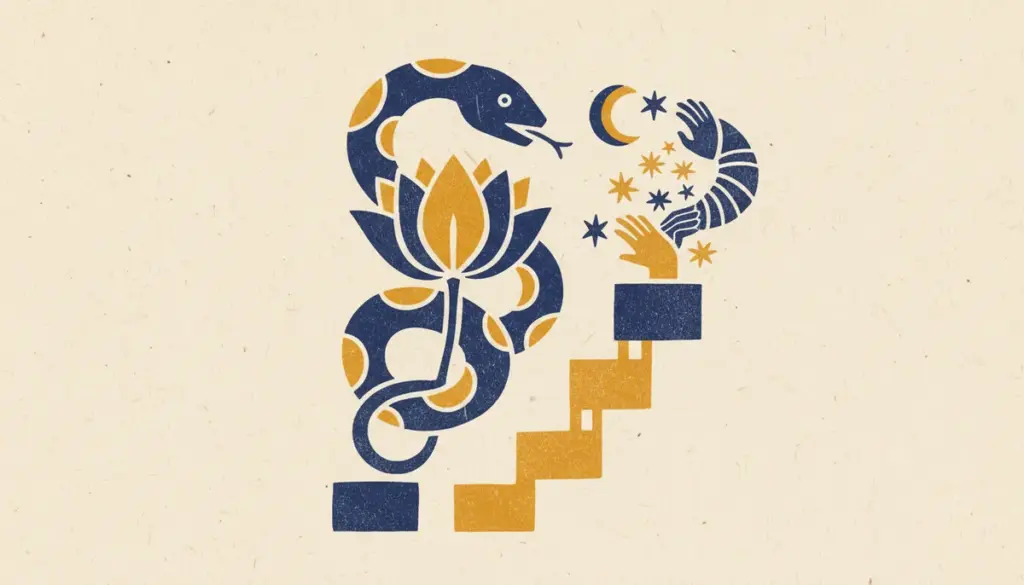
When studying the Vimshottari Dasha system, people often overlook the subtleties of planetary transitions. This article covers ketu antardasha shukra mahadasha common mistakes that many observers make when evaluating charts. You can check your own planetary timeline using the vimshottari dasha calculator tool to see your exact dates. In the Vimshottari framework, a Mahadasha is a major planetary period that is subdivided into nine smaller sub-periods called Antardashas. Venus Mahadasha is the longest period in the entire cycle, spanning twenty years of life experience. The final sub-period of this major cycle is governed by Ketu, lasting for fourteen months. This phase serves as a bridge between the worldly comforts of Venus and the authoritative, focused energy of the upcoming Sun period. Understanding how these energies interact helps prevent common errors in chart reading.
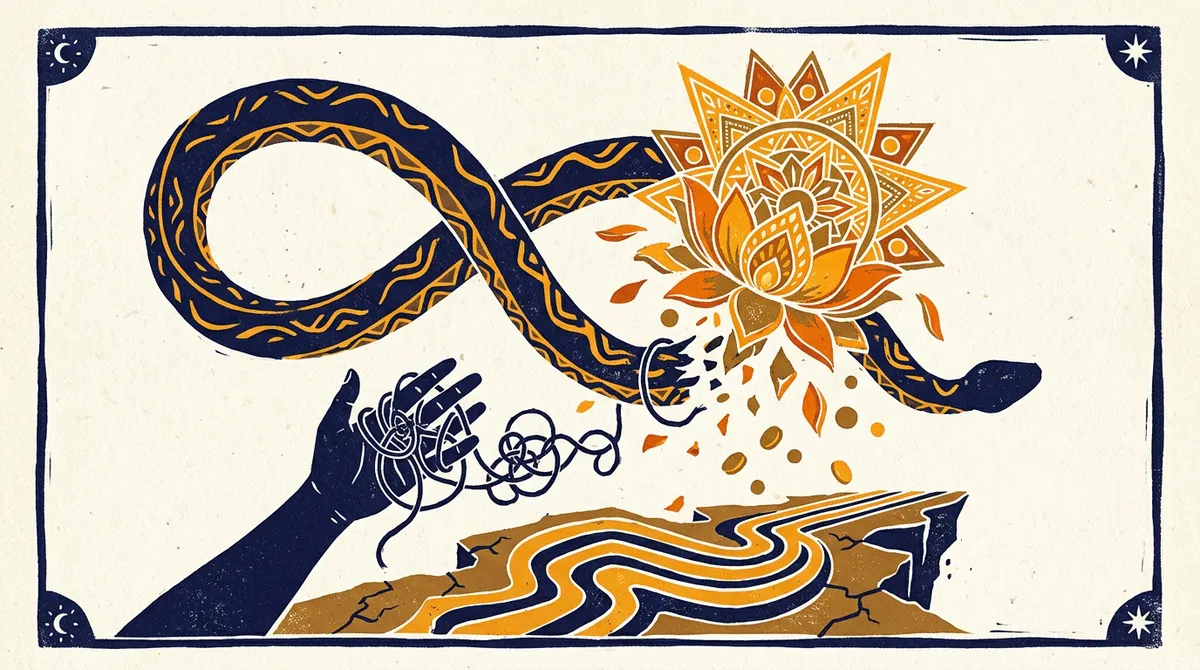
Understanding Ketu Antardasha in Venus Mahadasha
Venus represents material pleasures, artistic pursuits, and social bonds in a birth chart. Ketu represents spiritual detachment, inner inquiry, and the release of worldly attachments. When Ketu occupies the final phase of a Venus major period, people frequently misread the sudden shift in mood. They mistake a natural desire for quiet space for a permanent crisis in relationships or daily routines. Many texts explain this transition as a time of quiet reflection rather than sudden upheaval. You can also explore broader timeline concepts in the Vimshottari Dasha Explained guide. Observers often panic when material interests take a back seat to personal introspection. Keeping a steady perspective helps you navigate this fourteen-month window with ease and clarity.
ketu antardasha shukra mahadasha common mistakes in daily life
One major error is treating this sub-period as an isolated event disconnected from the rest of the horoscope. Astrology teaches that every planetary period must be interpreted in the context of the entire birth chart. Another frequent misstep is making abrupt life changes based solely on a temporary transit or dasha shift. People often assume that sudden detachment from social events means they must alter their entire career or living situation. Experienced students know that Ketu simply highlights areas where one can simplify and declutter the mind. You can verify your planetary positions in detail by using the navamsa chart tool to check deeper divisional strengths. Avoiding hasty decisions preserves stability while your internal priorities undergo a natural recalibration.
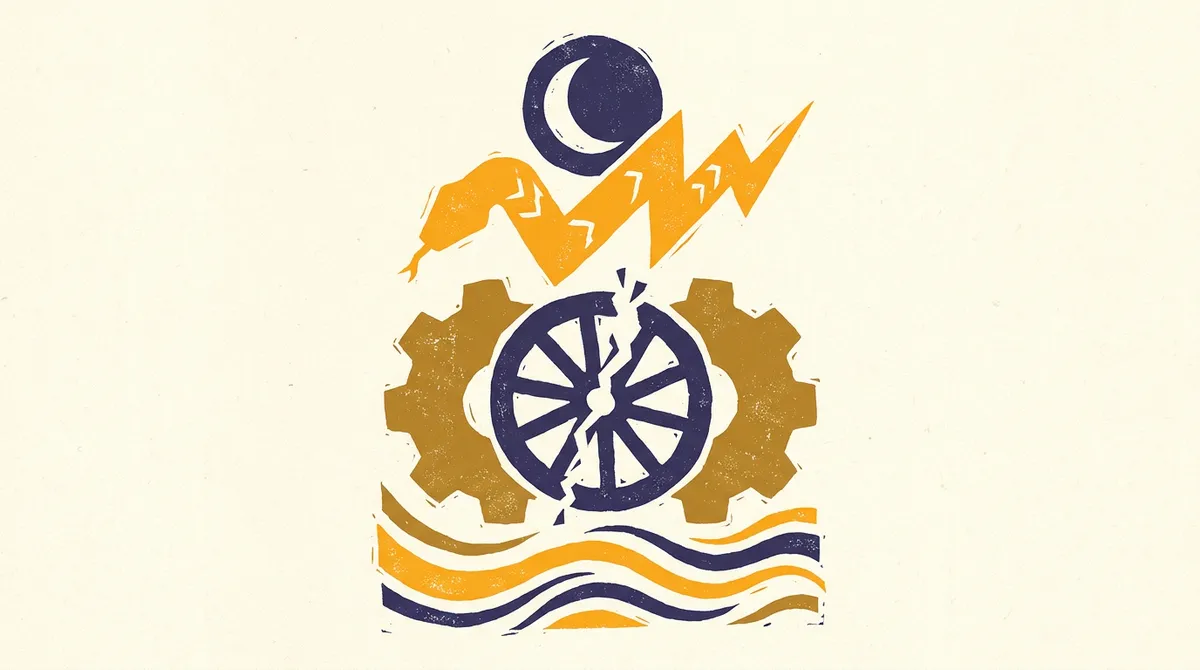
How Traditional Views Interpret This Final Sub Period
Traditional texts describe Ketu as a planet of moksha, which means spiritual liberation or release. During the closing months of a long Venus period, this subtle energy encourages individuals to review what truly matters. Observers often make the mistake of viewing Ketu through a lens of fear or unnecessary alarm. In reality, planetary periods depend entirely on the dignity, house placement, and overall chart architecture. Some charts show smooth transitions, while others experience a stronger sense of internal questioning. Recognizing that tradition views this phase as a normal cycle prevents needless anxiety. It is simply a time to complete old projects, settle accounts, and prepare for the next chapter.
Common Patterns in Personal Relationships
Relationships often experience a quiet phase during this specific sub-period. Venus governs affection and partnership, while Ketu prefers solitude and inner peace. A common mistake is misinterpreting a partner’s need for personal space as a sign of permanent estrangement. People may overreact to minor silences or a temporary drop in social engagement. Traditional viewpoints suggest giving loved ones the freedom to reflect without demanding constant reassurance. This approach fosters mutual respect and prevents unnecessary friction during a transition phase. Remembering that this is a fourteen-month window helps maintain balance in household and family dynamics.
Where Different Astrological Schools Hold Various Views
Different schools of Vedic astrology interpret the interaction between Venus and Ketu with varying nuances. Some lineages emphasize the tension between material enjoyment and spiritual detachment as a primary theme. Other traditions focus more on the house lordship and planetary conjunctions that modify these general tendencies. A frequent mistake is assuming that one single rule applies universally to every single birth chart. Chart analysis requires looking at shadbala strength, house dispositors, and aspects from other planets. Consulting multiple perspectives ensures a well-rounded and balanced understanding of your personal horoscope.
A Calm Way to Reflect on Shifting Life Focus
Navigating this fourteen-month transition calls for patience, mindfulness, and a grounded daily routine. Instead of forcing intense activity, use this window to organize your thoughts and finish lingering tasks. Notice where you feel drawn toward simplicity and allow yourself quiet moments for mental rest. Astrology is for reflection and guidance, and it is not a substitute for professional advice. Keep your expectations realistic and treat your horoscope as a map for self-discovery rather than a strict script.