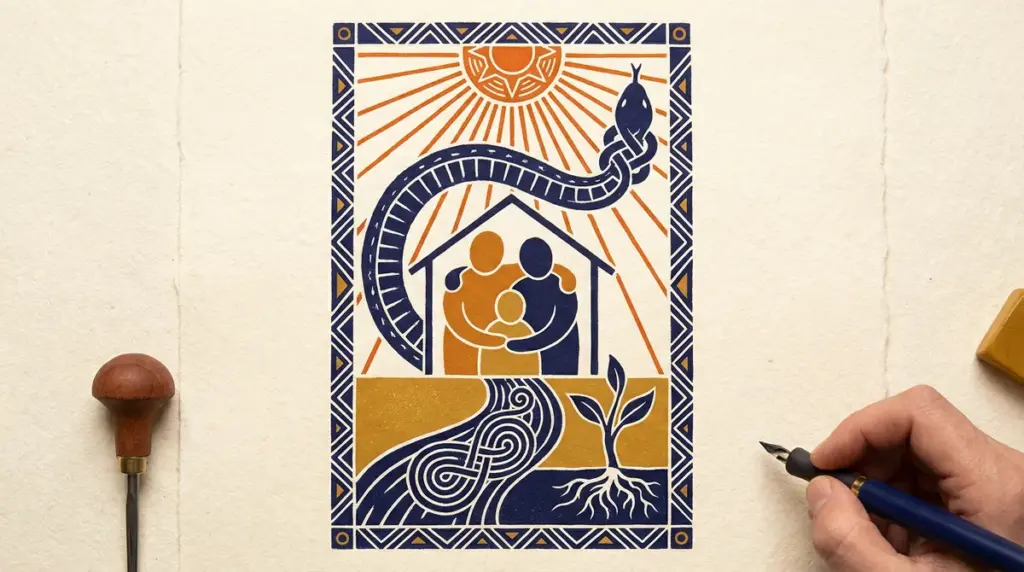
During the ketu antardasha surya mahadasha family themes often shift toward introspection and subtle detachment. The Vimshottari Dasha system uses planetary periods to time life events, which you can explore further with our vimshottari-dasha tool. The Sun represents your ego and external status, while Ketu acts as a point of spiritual release. For 4.2 months, these two energies interact within your chart. This phase typically emphasizes inner growth over outward family validation. You may find yourself questioning old dynamics within your home life.
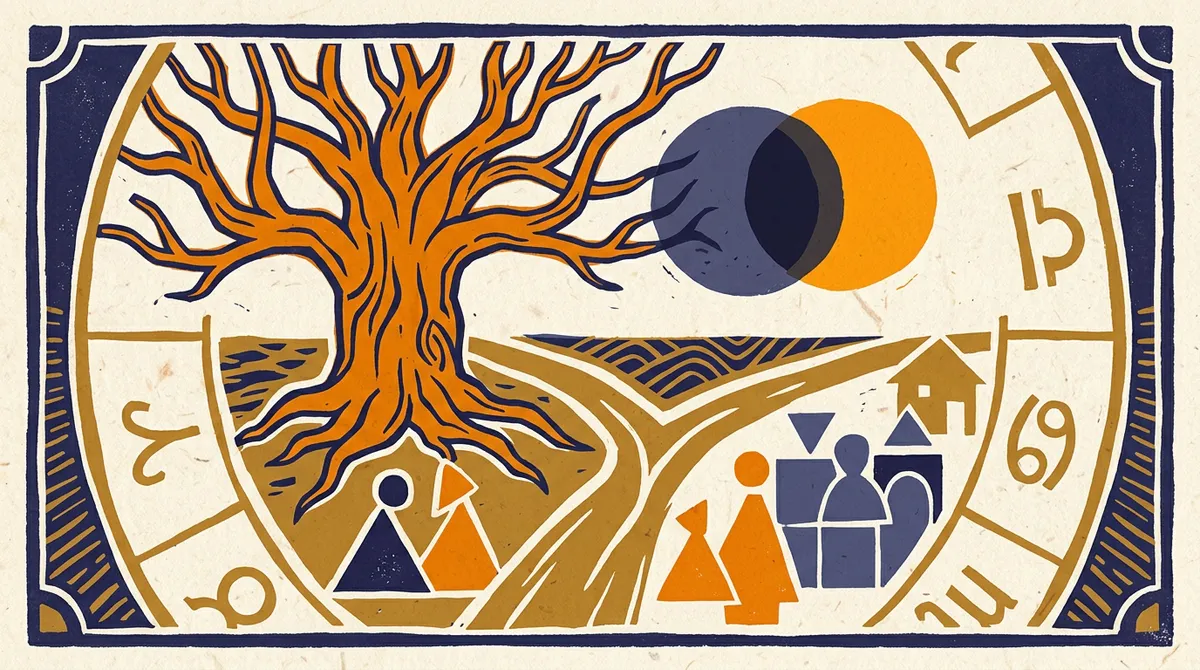
Understanding ketu antardasha surya mahadasha family themes
In Vedic astrology, the Sun is the Karaka, or significator, of the father and authority. Ketu is a shadow planet that signifies separation and liberation from material bonds. When these two combine, the focus moves away from family prestige. You might feel a cooling effect in your interactions with elders. This is not necessarily negative, but rather a time for personal reassessment. The authority of the Sun feels muted by the spiritual nature of Ketu. You may seek solitude to process your place within the family unit.

Traditional perspectives on family and the shadow planet
Many texts suggest that this period brings a temporary distance from the paternal line. The tradition views the Sun as the source of vitality and social standing. Ketu, however, pulls the energy inward toward past-life patterns. Some schools of thought describe this as a period of karmic settling. You might resolve old family debts or perceived slights. The goal of this tradition is to foster independence from external family expectations. It is a time to define your own identity beyond your lineage.
Common experiences during this four-month period
Readers often notice a sudden desire for privacy at home. You may stop seeking approval from family members for your choices. Conversations might feel less impactful or even confusing. Some individuals report a feeling of being an outsider in their own family. This detachment helps you see family patterns more clearly. You can identify which roles you play out of habit versus choice. It is common to feel a bit isolated as you process these realizations.
Variations in how schools interpret planetary influence
Different traditions interpret the placement of these planets in the navamsa-chart differently. Some focus on the house placement to predict external events. Others emphasize the internal psychological shift of the individual. Certain schools argue that the influence depends heavily on the Moon’s position. There is no single rule for how everyone will experience this shift. Always consider the dignity of the planets in your specific birth chart. See the vimshottari-dasha-reading-tips for more on this process.
Practical self-reflection for your domestic life
Use this time to observe your family dynamics without immediate reaction. Keep a journal of your feelings regarding your home environment. Practice patience if misunderstandings occur with your relatives. Remember that detachment is a tool for gaining perspective, not for creating conflict. Focus on your own spiritual development rather than trying to change others. Astrology is for reflection and guidance, and it is not a substitute for professional advice.
A worked example of dasha alignment
Imagine a person with the Sun in the fourth house of home and property. During this Ketu sub-period, they might decide to renovate their space to look more minimal. They may feel less attached to ancestral property or family heirlooms. Instead of hosting large family gatherings, they prefer quiet evenings alone. This aligns with the Ketu influence of simplifying one’s material environment. The Sun’s energy is redirected from public display to private, inner peace.